👁 69 views
My parents ignored nine urgent calls from my hospital bed because they were helping my sister unpack her new suburban home. So I called my estate lawyer to the hospital, changed everything on the spot, and when they finally arrived, they learned exactly what their cruelty had cost them.
I counted the calls because the clock on the hospital wall was directly across from my bed.
Nine.
Nine times my thumb trembled against the hospital phone while monitors beeped softly beside me. Nine times I called my mother, then my father, then the family group chat. Nine times the same answers came back: voicemail, silence, one brief text from Mom that said, “We’re at Lauren’s. Is this urgent?”
I stared at the word urgent while a nurse adjusted the IV in my arm.
The day before, a delivery truck had run a red light and crashed into my car. My injuries were serious, and the doctors had warned me that the next twenty-four hours would be critical for my recovery.
So yes, I thought.
It was urgent.
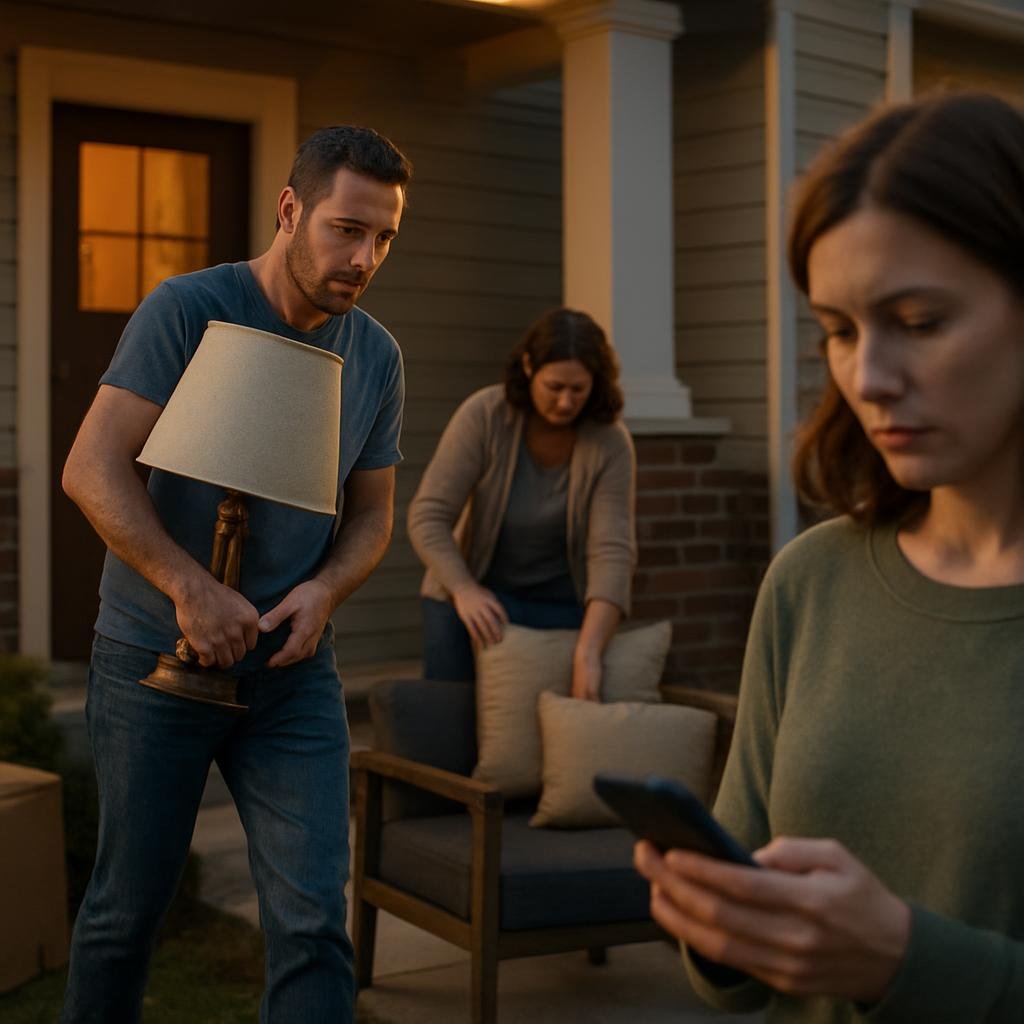
My sister Lauren, however, had just moved into a new suburban home in Ridgefield with a white kitchen, a nursery she wasn’t using yet, and a husband who believed lifting boxes was beneath him. My parents had driven there “for a few hours” the morning after my surgery. They posed for photos smiling on her front porch while I recovered beneath bright hospital lights.
At 6:40 p.m., my phone buzzed.
Lauren had posted a video.
“Couldn’t have done today without Mom and Dad!” she sang, turning the camera toward them.
My father was carrying a lamp.
My mother was arranging throw pillows.
I pressed the call button, but not for a nurse.
When nurse Marisol leaned beside my bed, I asked her to call the number saved under “Harding & Vance — Estate.” My voice was weak, but I spoke every word clearly.
“Are you sure?” she asked.
“Completely.”
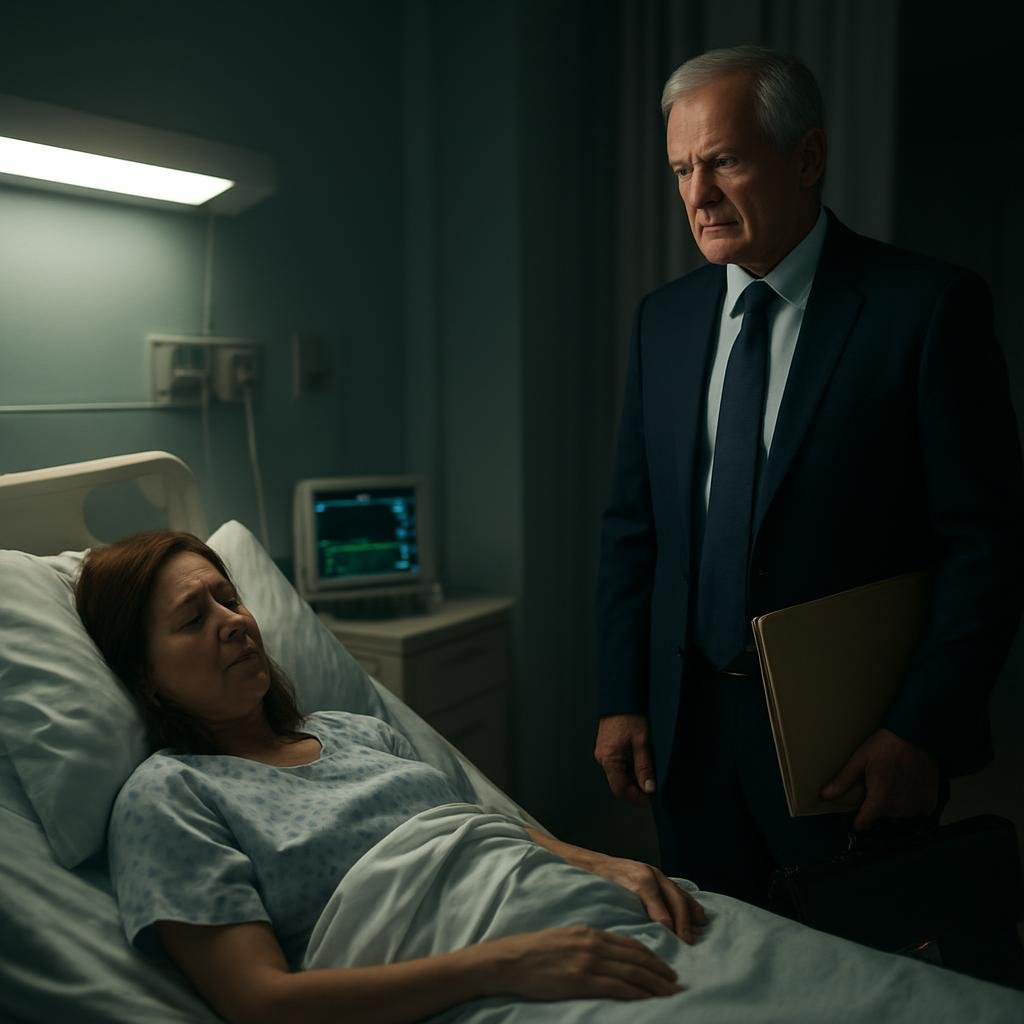
By 8:15 p.m., my estate lawyer, Julian Vance, stood at the foot of my bed in a navy suit, his briefcase resting on a chair. He had represented me since I sold my medical software company two years earlier.
My parents knew I was wealthy.
They had no idea how wealthy.
More importantly, they had no idea they were still listed in my will.
“Miranda,” Julian said gently, “you don’t have to do this tonight.”
“Yes,” I whispered. “I do.”
He read every change aloud.
My parents were removed as beneficiaries.
Lauren was removed entirely.
Their access to my emergency accounts was revoked.
The lake house they loved.
The education trusts they expected for Lauren’s future children.
The charitable foundation board seats they proudly talked about.
Gone.
At 10:03 p.m., my mother finally walked into my hospital room holding a takeout coffee.
“Miranda,” she sighed, “you scared us.”
Julian turned from the window.
I looked straight at both of them.
“No,” I said quietly.
“You scared me.”
PART 2
My father froze halfway through the doorway, still wearing the old gray sweatshirt he used whenever he wanted people to see him as practical and hardworking. There was a strip of packing tape stuck to his sleeve. My mother had foundation settled into the creases beneath her eyes, but her hair was perfect, curled and sprayed for the photos Lauren had posted all afternoon.
Behind them, Lauren peeked in as if the ICU were an open house she had no interest in buying.
“Why is he here?” my father asked, nodding toward Julian.
Julian closed his briefcase with a quiet click. “I am here at my client’s request.”
My mother’s coffee cup trembled. “Client? Miranda, sweetheart, you’re drugged. You can’t be signing anything.”
“I’m not drugged enough to forget nine calls,” I said.
Lauren rolled her eyes. “Oh my God, are we really doing this right now? Mom told me the nurses said you were stable.”
“No nurse told her that,” Marisol said from the doorway, her voice calm but sharp enough to cut glass. “I personally called the emergency contacts listed for Ms. Caldwell at 11:18 this morning. I left a message saying she was in critical recovery and asking immediate family to come.”
My father’s face hardened. Not with shame. With irritation.
“Families have more than one emergency at a time,” he said.
I almost laughed, but my ribs burned. “Unpacking a sectional is not an emergency.”
Lauren stepped forward. “You always do this. You make everything about you. I just bought a house. It was a big day for me.”
Julian looked down at his notes. Even he seemed to need a second.
My mother came closer to the bed and lowered her voice into the tone she used when she wanted obedience disguised as concern. “Miranda, whatever you changed, we can fix it later. You’re upset. You’ve always been dramatic when you feel left out.”
Left out.
I was missing a spleen, two units of blood, and any remaining illusion that my parents loved me without conditions. But according to my mother, I was “left out.”
“No,” I said. “We fixed it tonight.”
My father’s eyes narrowed. He understood money faster than emotion. “What exactly did you change?”
Julian answered before I could. “Ms. Caldwell has executed updated estate documents, healthcare directives, trust amendments, and beneficiary removals. All properly witnessed and recorded. She has also revoked prior family authorization for financial access and medical decision-making.”
The room went still.
Lauren looked from him to me. “What does that mean?”
“It means,” I said, “you don’t get rewarded for abandoning me.”
My mother made a wounded sound. “After everything we sacrificed?”
“You sacrificed my childhood to manage Lauren’s comfort,” I replied. “You sacrificed my graduations because Lauren had dance. You sacrificed my engagement dinner because Lauren had a breakup. Today you sacrificed my life for her guest room.”
Lauren’s mouth twisted. “You’re insane.”
“No,” Marisol said quietly. “She’s awake, oriented, and legally competent. It’s in her chart.”
My father pointed a finger at Julian. “This won’t hold.”
Julian’s expression did not change. “It will.”
That was when my mother understood. Not all of it, perhaps, but enough. The lake house on Lake Winnipesaukee. The payments I had quietly made on their mortgage. The private care plan I had established for their retirement. The future they believed they could mistreat me through and still inherit.
She reached for my hand.
I pulled it away.
For the first time that night, nobody spoke. Only the monitors did, marking every beat of my heart like a witness statement.
“No,” I said quietly.
“You scared me.”
The room went so still that even the monitor beside my bed sounded louder.
My mother’s coffee trembled in her hand.
My father looked from me to Julian, then down at the legal folder resting on my blanket.
“What is this?” Dad asked.
Julian stepped forward.
“Miranda has updated her estate documents, emergency authorizations, and trust arrangemenTS.”
Mom blinked.
“Tonight?”
“Yes,” I whispered.
“Tonight.”
Lauren arrived twenty minutes later, smelling like expensive perfume and fresh paint, still wearing the white sweater from her moving-day video.
She rushed in like she expected applause for coming.
“What happened?” she demanded.
“Mom said you were being dramatic.”
I laughed once, but it hurt my ribs.
Julian opened the folder.
He did not raise his voice.
He did not need to.
He explained that my parents no longer had access to any emergency accounTS. Lauren had been removed from every trust.
The lake house would go to a recovery center for accident survivors.
The foundation board seats would be filled by doctors, nurses, and community advocates.
My mother sat down hard.
Lauren’s mouth fell open.
“You can’t do that.”
I turned my head toward her.
“I already did.”
Dad’s face flushed.
“Miranda, people make mistakes.”
“Nine calls,” I said.
“That wasn’t a mistake.
That was a choice.”
Mom began crying then, but not the way she cried when I was hurt as a child.
These tears were frightened, embarrassed, almost angry.
“We were helping your sister,” she said.
“She needed us.”
“So did I.”
Lauren crossed her arms.
“You always make everything about money.”
“No,” I said.
“You did.”
Silence.
For the first time in my life, nobody rushed to defend her.
My father looked smaller under the hospital lighTS. “Are we nothing to you now?”
I swallowed against the pain in my throat.
“You are my parents,” I said.
“That is why this hurt.
But being my parents never gave you the right to abandon me and still expect to inherit my life.”
Lauren’s eyes filled with fury.
“You’re punishing all of us because we missed some phone calls?”
Julian’s voice was calm.
“They were informed she was in critical recovery.”
My mother looked away.
That was when I understood.
They had known enough.
They just hadn’t cared enough.
The truth settled over me like a clean sheet.
Painful.
Cold.
Necessary.
The next morning, Lauren posted nothing.
My parents sent flowers with a card that said, “Family should forgive.” I asked Marisol to give them to the nurses’ station.
Three weeks later, I left the hospital in a wheelchair.
Julian was there.
Marisol was there.
My parents were not.
And strangely, that hurt less than I expected.
Recovery was slow.
Some mornings, my body felt like it belonged to someone else.
But little by little, I learned how to stand again.
Then walk.
Then sleep without hearing the crash.
— ALSO READ —
Vet Receptionist Blames The Doctor For Every Mistake, Now One Cat Owner Wants The Truth To Come Out
Vet Receptionist Blames The Doctor For Every Mistake, Now One Cat Owner Wants The Truth To Come Out
I also learned how many people had been quietly loving me without asking for anything.
Marisol checked on me after her shifTS.
Julian brought soup and pretended it was legal paperwork.
My old assistant, Claire, organized my home so I could move safely from room to room.
And one rainy afternoon, I drove past the lake house.
The same lake house my mother loved to call “our family place.”
Workers were already changing the entrance.
A new sign waited under a tarp.
Soon, it would become Haven House, a place where patients recovering from sudden trauma could stay with dignity, care, and no fear of being alone.
I cried in the driveway.
Not because I lost my family.
Because for the first time, something good was being built from the pain they left behind.
Two months later, my parents came to the opening ceremony.
They stood at the edge of the crowd, dressed too formally, looking like guests at a funeral they had caused.
Lauren did not come.
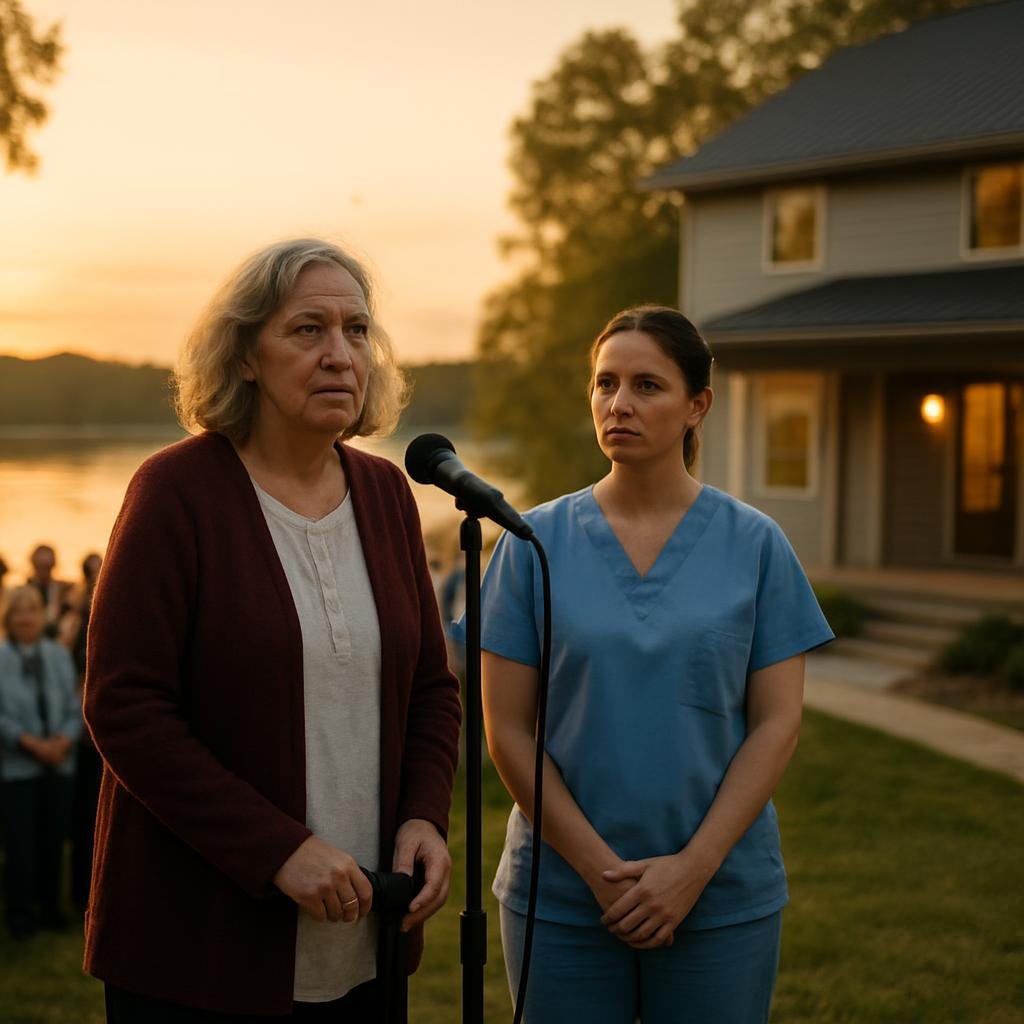
I stood at the microphone with a cane in one hand and Marisol beside me.
Cameras flashed, but I looked only at the doors of the house.
“This place is for anyone who called for help,” I said, my voice steady, “and learned the most painful answer was silence.”
My mother covered her mouth.
I continued.
“But silence does not have to be the end of the story.
Sometimes it becomes the place where a new life begins.”
After the ceremony, Dad approached me.
“I’m sorry,” he said.
For once, he did not add an excuse.
Mom stepped beside him, crying softly.
“We failed you.”
I looked at them for a long time.
Then I said the words I had practiced for weeks.
“I forgive you enough to stop hating you.
But I will not trust you enough to let you back into the life you only valued when you could benefit from it.”
Mom broke down.
Dad nodded, tears shining in his eyes.
It was not the ending they wanted.
But it was the truth I needed.
A year later, Haven House had served forty-seven families.
The foundation funded emergency advocates in three hospitals.
No patient in that program had to make critical decisions alone.
On the anniversary of the accident, I stood by the lake at sunset.
My phone buzzed.
A message from my mother.
“We are proud of you.”
I looked at it for a long moment.
Then I turned the phone over and watched the water move.
For years, I had begged my family to choose me.
That day, I finally understood something more powerful.
I had chosen myself.
And because I did, hundreds of strangers would never have to lie in a hospital bed counting unanswered calls.
They would hear footsteps.
They would see a hand reach for theirs.
They would know help was coming.
And that was the inheritance I decided to leave behind.
The End